Al Capone Tour Stops In Chicago: What The Tours Actually Pass
Capone-era Chicago is mostly stories now: the garage is a lawn and the breweries are lofts. Here is what an Al Capone tour in Chicago actually shows you, stop by stop, and which of the sixteen bookable walks and buses goes there.
Short answer
The Haunted Chicago: Crime, Ghosts, and Capone Walking Tour covers the Loop for $35 per person, 5.0 across 446 reviews. The Gangsters and Ghosts walk adds the Palmer House interior for $31 per person. Buses reach farther-flung sites: the Original Ghost Bus runs 3 hours for $59 per person. Most Capone landmarks are seen from the street only.
Al Capone left Chicago after his prison term and never came back, but the city still sells his route. The problem for a visitor is that most of his Chicago no longer exists: the headquarters, the breweries, the horse tracks and the hotels he ran are parking structures, condo towers and memory. What remains is a scatter of street corners, two hotels and one cathedral door with bullet holes in it. An Al Capone tour in Chicago is therefore a tour of absences as much as landmarks, and the difference between a good one and a weak one is whether the guide tells you what you are looking at, or used to be looking at.
This guide walks through every Capone-linked stop the current tours actually pass, then matches each stop to a tour you can book. The short version: the 90-minute Capone and ghosts walk works the Loop, the Gangsters and Ghosts walk adds the inside of the Palmer House, the Mob Alleys walk starts at the Congress Plaza Hotel, and the buses stretch the map to Lincoln Park and the South Side. Sixteen live listings cover this ground from $26 to $60 per person, and no two cover it the same way.
Which Capone Sites Do Chicago Tours Actually Pass?
The bookable Capone-themed tours pass a consistent set of sites: the Loop's gangster blocks around State and Wacker, the Palmer House, the Congress Plaza Hotel on South Michigan Avenue, Holy Name Cathedral's scarred doors on North State Street, and the Biograph Theater at 2433 N Lincoln Avenue. Walking tours cover the Loop and River North clusters; only bus tours reasonably reach Lincoln Park and the South Side Prairie Avenue corridor in one outing.
The overlaps are real but not identical. The Haunted Chicago: Crime, Ghosts, and Capone Walking Tour, a 90-minute Loop walk at $35 per person with a 5.0 rating across 446 reviews, is built around the downtown blocks where Capone's outfit did business. The separate Gangsters and Ghosts walk, 2 hours at $31 per person, 4.7 across 1,878 reviews, is the listing that takes groups inside the Palmer House, a distinction worth checking before you book, because the Palmer House's ground floors are a public hotel and most competitors only describe it from the sidewalk. A third South Loop listing, the Mob Alleys and Haunts walk at $34 per person, starts at the Congress Plaza Hotel and works the Prairie Avenue edge of the South Loop.
Buses change the geometry. The Original Ghost Bus Tour, 3 hours at $59 per person, boards inside the bar at the Congress Plaza Hotel and reaches sites walkers never could on one evening, including the North Side massacre block and points beyond downtown. The Crime and Mob Coach Tour, $49 per person at 4.6 across 3,603 reviews, leans true-crime rather than ghosts but shares several gangster stops. If your goal is specifically "where was Capone," the walks give you depth downtown and the buses give you reach.
| Stop | Where | Which format reaches it | What you actually see |
|---|---|---|---|
| Massacre site, 2122 N Clark St | Lincoln Park | Bus tours, some North Side walks | Fenced lawn, no marker |
| Biograph Theater | 2433 N Lincoln Ave | Bus tours | Intact historic theater facade |
| Holy Name Cathedral | 735 N State St | River North walks | Bullet-scarred bronze doors |
| Palmer House | Loop, Wabash entrance | Gangsters and Ghosts walk goes inside | Grand hotel corridors |
| Congress Plaza Hotel | 520 S Michigan Ave | Mob Alleys walk, Ghost Bus | Full 1893 facade |
| Capone house | 7244 S Prairie Ave | Bus tours only | Private two-flat from the street |
The St. Valentine's Day Massacre Site In Lincoln Park
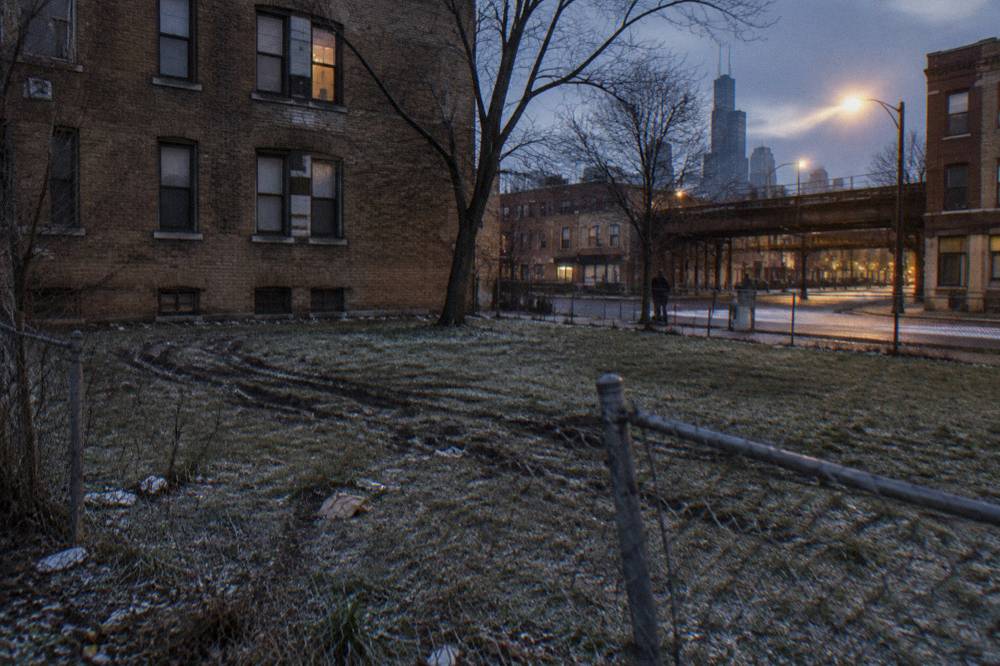
On 14 February 1929, seven North Side Gang members and associates were killed at a garage at 2122 N Clark Street, the single event most tightly bound to Capone's name, even though he was in Florida at the time. The garage was demolished in 1967, and the site today is a fenced lawn and parking area beside senior housing. There is no plaque, no marker and no memorial of any kind.
That absence is the point guides make, and it is worth making it well. Visitors arrive expecting a museum and find grass. The tours that stop here, principally the bus products and longer North Side itineraries, frame the corner as a lesson in how completely the city erased its gangster architecture once the era ended. The massacre itself is documented history: seven men shot dead on 14 February 1929 at the Clark Street garage, the act attributed to Capone's outfit in every standard account, though he was never charged. Any tour promising more than the lawn, a story and a street corner is overselling.
Walking from the site, Lincoln Park holds other layers the ghost walks trade on. The park sits on the former Old City Cemetery, with an estimated 35,000 burials relocated and the Couch mausoleum behind the Chicago History Museum as the visible reminder, a detail several Lincoln Park tour listings lean on. The Biograph Theater, where John Dillinger was shot on 22 July 1934, is a short distance away at 2433 N Lincoln Avenue and still stands as a working theater, now hosting Porchlight Music Theatre's 2026-27 season. Dillinger postdates Capone's Chicago reign, but the tours bundle them, and the Biograph is one of the few gangster landmarks you can photograph in full.
If the massacre block matters to you, book a bus. The Original Ghost Bus Tour's 3-hour route at $59 per person is built to reach North Side sites like this, and the Crime and Mob Coach Tour at $49 per person covers adjacent ground. A Loop-only walk, however good, will not bring you here.
The Loop Stops: Hotels, Alleys And Capone's Downtown
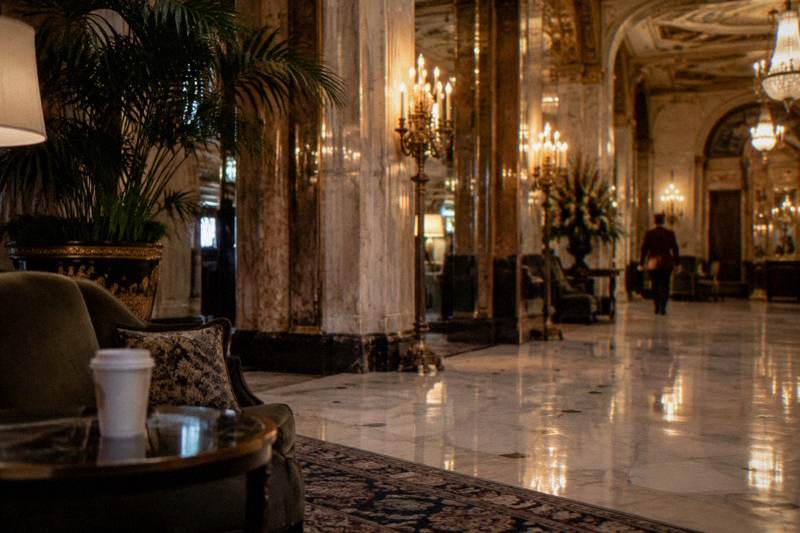
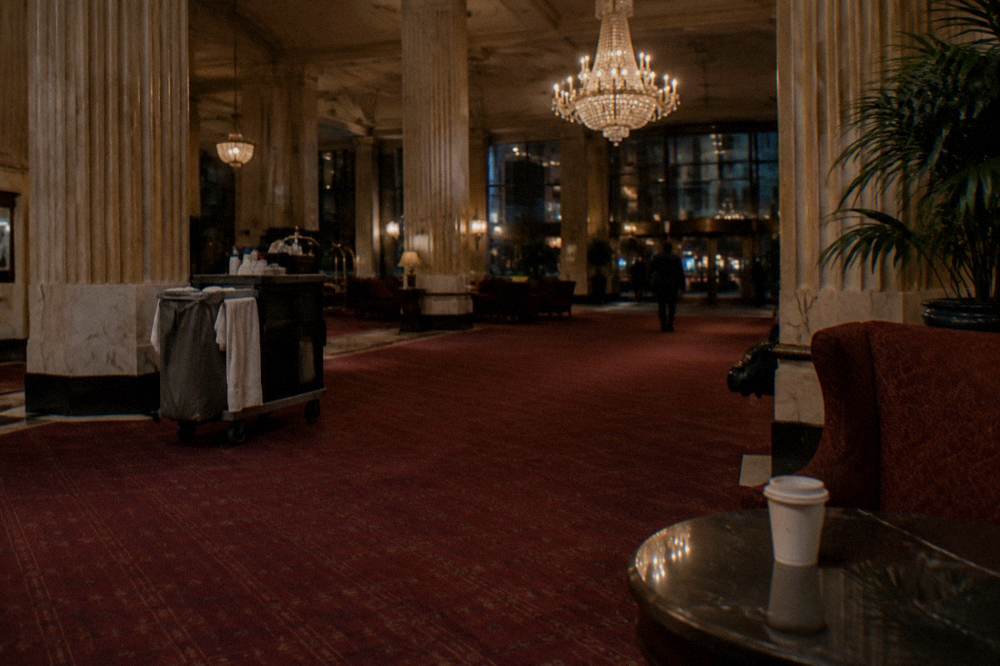
The Loop's Capone stops cluster around the historic hotel row and the riverfront: the Palmer House, whose corridors are reported to carry phantom footsteps and a woman in period dress, and the Congress Plaza Hotel at 520 South Michigan, frequently claimed to be one of the most haunted buildings in Chicago and the launching point for two tours. The Haunted Chicago: Crime, Ghosts, and Capone walk covers this ground in about 90 minutes for $35 per person.
The Congress Plaza Hotel opened just before the 1893 World's Fair as the Auditorium Annex, and its haunted reputation long predates the current tour boom. Reports gathered over the years single out room 441, where guests have described seeing a shadow woman standing over the bed. That is a reputation and a guest report, not a verified haunting, and honest guides present it that way. Two tours listed here use the hotel as infrastructure: the Mob Alleys and Haunts walk meets in front of it, and the Original Ghost Bus Tour boards inside its bar, which makes the building the single most tour-adjacent Capone-era structure among these tours.
The Palmer House carries its own reports, phantom footsteps in the corridors and a woman in period dress in public areas, and it matters here for a practical reason. Of the sixteen live listings, the Gangsters and Ghosts walk is the one that takes groups inside, meeting outside Hoyt's Tavern on the riverfront and working toward the hotel's Wabash Street side. If standing in a Capone-era hotel lobby is the experience you want, that $31 per person listing is the direct route, and its 4.7 rating across 1,878 reviews makes it the most-reviewed walk on this site.
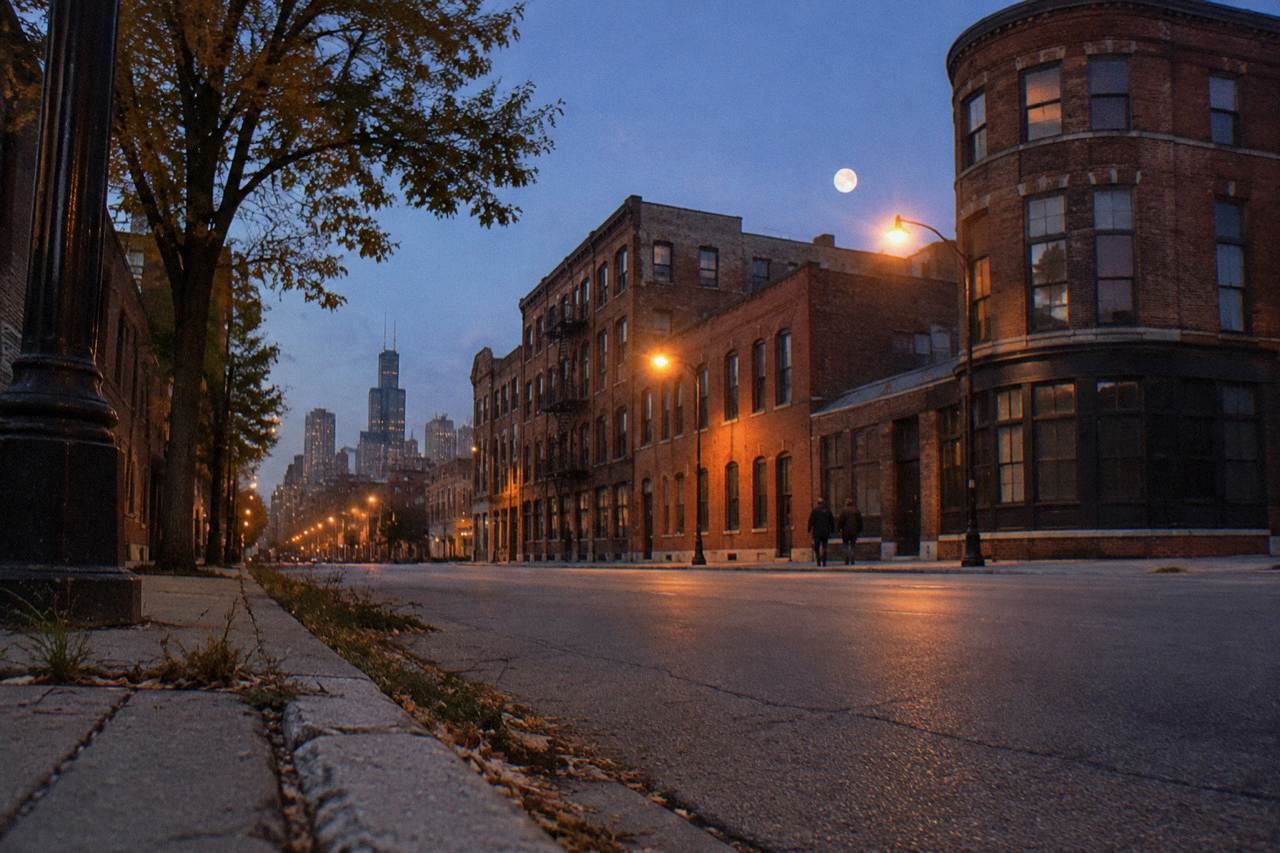
Around the hotels, the Loop stops are blocks and corners rather than buildings. The Capone walk's route keeps to the area near State and Wacker, where its meeting point sits in front of Chase Bank. Guide stories carry most of the weight here, because the physical fabric of Capone's downtown has been rebuilt twice over. That is not a defect of the tour; it is the honest condition of the subject.
| Loop-area stop | Visible today | Tour that passes it | Format |
|---|---|---|---|
| Palmer House interior | Yes, public hotel | Gangsters and Ghosts walk | Walk, inside |
| Congress Plaza Hotel facade | Yes | Mob Alleys walk, Ghost Bus | Walk meet, bus board |
| Loop gangster blocks, State and Wacker | Rebuilt streetscape | Capone and ghosts walk | Walk |
| River North, Holy Name Cathedral | Yes, active church | Dark Side walk and buses | Walk or bus |
| South Loop, Prairie Avenue corridor | Partial | Mob Alleys walk | Walk |
For readers comparing the full field before choosing, the gangster and ghost tour comparison guide breaks down all sixteen listings by price and number of reviews.
Which Capone Landmarks Can You See From The Street?
Six Capone-era landmarks remain publicly visible from the street or as entered buildings: Holy Name Cathedral's bullet-scarred doors, the Biograph Theater, the Green Mill Cocktail Lounge, the Congress Plaza Hotel, the Palmer House, and Capone's former two-flat at 7244 South Prairie Avenue, the last visible from the sidewalk only since it is privately owned. Everything else on the standard route, the massacre garage, the breweries, the Lexington Hotel, is gone.
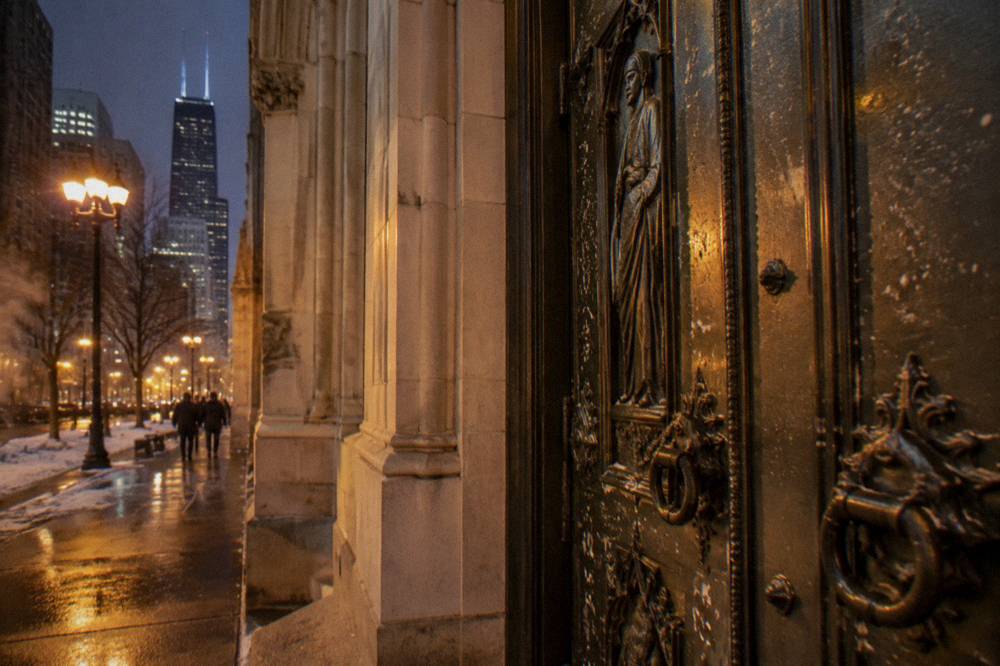
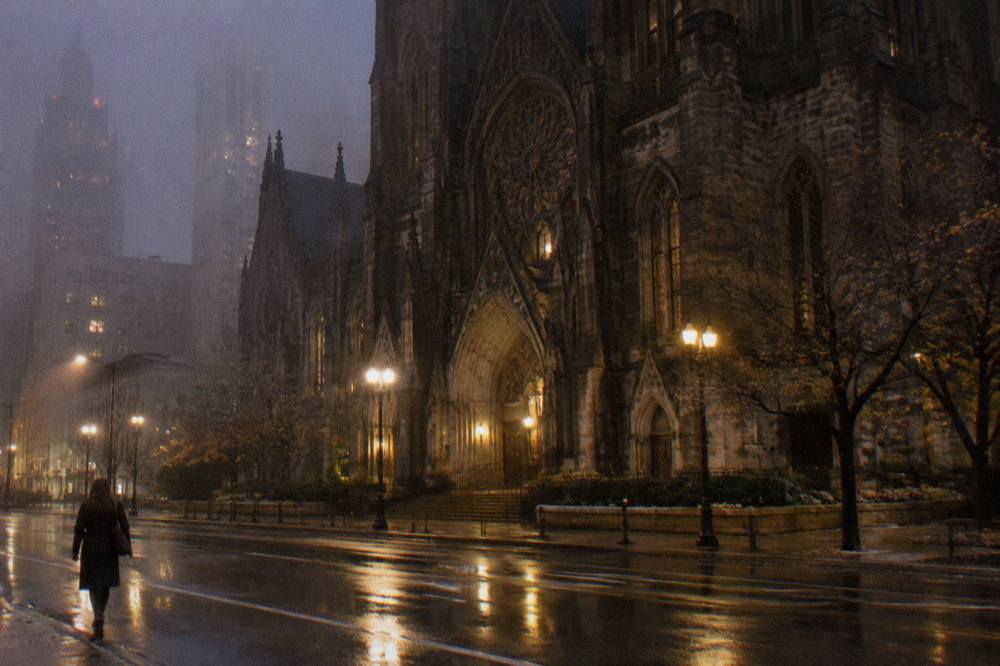
The cathedral doors are the most concrete artifact on any route. Bullet holes from the 1926 gangland killing of Hymie Weiss remain visible on Holy Name's bronze doors at 735 North State Street, and the cathedral is an active parish open to the public, so you can visit independently. River North walks pass it, as do the bus routes; the Chicago's Dark Side walk, a 2-hour, $35 per person small-group listing at 4.9 across 80 reviews, covers this cluster on foot with a group cap of 20.
The Green Mill, at 4802 North Broadway, is the stop that doubles as a night out. The lounge operates year-round, keeps its Prohibition-era Capone ties, including his reputed favorite booth, and its current hours run late into the night on weekends. No tour listed here is a Green Mill tour, but the Uptown venue appears in the gangster-story canon that guides draw from, and it is reachable by public transit if you want the full pilgrimage. The lesson of the street-visible list is that Capone's Chicago survives mostly in buildings that kept a civilian function: a church, a theater, a bar, two hotels and one private house. Since that lone private house is the stop travelers most often ask about, our guide to visiting Al Capone's house in Chicago explains what you can see from the sidewalk and which tours cover the rest of his old haunts.
| Landmark | Status | Access | On a tour route? |
|---|---|---|---|
| Holy Name Cathedral doors | Standing | Open parish | Yes, walks and buses |
| Biograph Theater | Standing, active theater | Public street | Yes, buses |
| Green Mill | Operating bar | Open to customers | Story stop, not a scheduled stop |
| Congress Plaza Hotel | Operating hotel | Public areas | Yes, meet and boarding point |
| Palmer House | Operating hotel | Public areas | Yes, one walk goes inside |
| 7244 S Prairie Ave | Private two-flat | Street view only | Buses point it out |
The massacre site's present condition is documented in current reporting on what stands at 2122 N. Clark Street today, and the Capone house's private status is confirmed by Chicago crime tour operators, which is why every ethical listing describes it as a drive-by.
Capone's Grave And The Cemeteries Tours Point At
Al Capone is buried at Mount Carmel Cemetery in Hillside, Illinois, about fifteen miles west of downtown, under a family marker; none of the tours on this site visits it, and Chicago's tour-facing cemeteries are different properties entirely. Graceland Cemetery on the North Side, established in 1860 with its main entrance at Clark Street and Irving Park Road, is the one the ghost-story ecosystem references, and its gates are open daily year-round with seasonal hours.
Mount Olivet matters to the Capone story because the family plot, shared with his wife and mother, draws a quiet stream of visitors on its own; guides mention it as context, not as a stop. No bus or walking listing here advertises a cemetery interior visit, and any tour that did would need to respect the cemetery's own rules. At Catholic cemeteries in the Chicago area, the policies prohibit picnics, alcohol and pets roaming free on the grounds, and ask visitors not to photograph names or dates on markers without contacting the office, all worth knowing before an independent trip.
Graceland's connection to the gangster era is architectural and biographical rather than Capone-specific, and its visiting hours are published on the cemetery's own hours page. The Lincoln Park ghost walks carry a parallel cemetery theme much closer to downtown: the park itself overlays the former Old City Cemetery, and the Couch mausoleum behind the Chicago History Museum is the physical remnant tours point to. The Lincoln Park Hauntings ghost investigation, a 2-hour-15-minute equipment-led hunt at $40 per person, 4.9 across 47 reviews, meets at those Clark Street doors, which puts a bookable tour directly at the site. For more on the city's burial grounds and their legends, see the Graceland Cemetery ghost stories guide.
Choosing The Right Tour For The Capone Route
For depth on Capone's Loop, book the Haunted Chicago: Crime, Ghosts, and Capone walk, $35 per person, 5.0 across 446 reviews, 90 minutes. For the Palmer House interior and the largest number of reviews of any walking tour, book the Gangsters and Ghosts walk at $31 per person, 4.7 across 1,878 reviews, 2 hours. For the massacre block and citywide reach, book the Original Ghost Bus at $59 per person, 3 hours, 3.8 across 152 reviews. All three list free cancellation.
The trade is depth against geography. A Loop walk spends its whole runtime on Capone's business district with a guide talking the whole way; the Capone walk's group max is 20, which keeps the storytelling intimate. The Gangsters and Ghosts walk is 2 hours with a rest stop and covers about a mile and a half of riverfront and Loop ground, children 6 and under join free, and it runs daily year-round with departures the listing schedules at 11 a.m., 1 p.m., 4 p.m. and 8 p.m. in season. The bus trades narration density for range: three hours aboard, up to 50 travelers, boarding inside the Congress Plaza Hotel bar, reaching North Side and South Side sites no walker can log in one night.
Price spread across the three is $31 to $59 per person, a difference that mostly buys mileage. If you are staying downtown without a car and have one evening, the walks win on convenience; every meeting point in the trio is transit-reachable. If you have a full evening and specifically want the massacre lawn and the Prairie Avenue house, the bus is the only format that delivers both. Schedules shift with the season, so confirm the day's departure times on the operator's live listing.
| Tour | Price per person | Duration | Rating and reviews | Group max |
|---|---|---|---|---|
| Capone and ghosts walk | $35 | 1 hour 30 minutes | 5.0 across 446 reviews | 20 |
| Gangsters and Ghosts walk | $31 | 2 hours | 4.7 across 1,878 reviews | Not stated |
| Original Ghost Bus | $59 | 3 hours | 3.8 across 152 reviews | 50 |
| Mob Alleys and Haunts walk | $34 | 1 hour 30 minutes to 2 hours | 4.7 across 469 reviews | 20 |
| Crime and Mob Coach Tour | $49 | 1 hour 30 minutes to 2 hours | 4.6 across 3,603 reviews | Not stated |

South Side Stops And The Prairie Avenue Corridor
The South Side's tour-facing Capone stop is his former residence at 7244 South Prairie Avenue, a privately owned two-flat whose exterior is visible from the public street and nothing more; no tour enters it, and honest listings say so. The Prairie Avenue corridor around it also carries the ghost-hunt listings, including the Prairie Avenue Ghost Hunt at $37.50 per person, 2 hours, meeting at Glessner House, which has no reviews yet.
The house is the canonical example of the format's limits. Tours that include it, the bus products, point it out from the street and move on, exactly as the private-property rules require. What they add is context: the South Side Prairie Avenue of Capone's era was both the old mansion district and, by the late 1920s, the edge of gangster territory, and guides use the contrast to frame how the neighborhood changed. The Mob Alleys and Haunts walk covers the near-South Loop end of this corridor on foot from its Congress Plaza meeting point.
Prairie Avenue's other draw is the paranormal listing. The ghost hunt format puts equipment in guests' hands and runs 2 hours from Glessner House at $37.50 per person; with no reviews yet, there is no rating to report, which is worth knowing rather than a reason to skip. The Lincoln Park Hauntings investigation, its sibling format at $40 per person, pairs the same approach with the old-cemetery ground described earlier. Families note the Capone walk itself has hosted children as young as 6 per reviewer reports, so the age question is covered in more detail in the Chicago haunted tours for kids guide.
What Is Gone: Sites The Tours Can Only Describe
The major gone sites are the massacre garage at 2122 North Clark, demolished 1967; the H.H. Holmes Murder Castle site in Englewood, where a post office built in the 1930s now stands at 611 West 63rd Street with no historical marker; and the Capone outfit's breweries, hotels and headquarters downtown, all rebuilt. Guides describe these from the nearest public street, which is why narration quality matters more than stop count.
The Murder Castle is the clearest case study. The site at 63rd and Wallace is an active United States Postal Service branch built on the demolished building's footprint, and no formal marker commemorates what stood there. Holmes belongs to the city's Gilded Age, decades before Capone, but the ghost-tour canon fuses them, and visitors who expect a ruin find a functioning post office. The same dynamic repeats smaller everywhere: the Massacre's S-M-C Cartage garage is senior housing, the Loop's gangster blocks are glass towers. An Eastland-era parallel exists on the river, where a polished granite plaque at the southeast corner of LaSalle and Wacker marks the 1915 disaster that killed 844, one of the few cases where the city did place a marker; the Eastland Disaster Historical Society's commemoration still gathers there, as documented at eastlanddisaster.org.
The practical takeaway for a buyer: judge Capone tours by their guides, not their stop lists. A listing with fewer stops and a strong storyteller outperforms a checklist route past lawns. The reviews are the best available proxy, read alongside the counts as printed above.
Planning Your Capone Tour Evening In Chicago
Book any Capone-route tour a few days ahead in October, when the city's Halloween season runs at full tilt through Saturday 31 October 2026; check the meeting point before you go, since the trio alone scatters across five starting spots from the Congress Plaza Hotel to a River North FedEx store; dress for an outdoor evening, since walks run rain or shine; and confirm the current departure time on the live listing, as schedules shift seasonally.
Meeting points deserve a map check. The Capone walk meets in front of Chase Bank at State and Wacker; the Gangsters and Ghosts walk meets outside Hoyt's Tavern next to the Royal Sonesta on the riverfront; the Ghost Bus boards inside the Congress Plaza Hotel bar; the Mob Alleys walk meets in front of the Congress Plaza; and the Dark Side walk meets in front of a FedEx store in River North. All five are central, but they are not the same corner, and arriving at the wrong hotel bar is a common October mishap. The guide to where Chicago haunted tours meet covers every tour listed here.
Weather and timing are the other levers. Evening departures are standard for ghost walks, with the Gangsters and Ghosts listing offering an 8 p.m. daily option in season, and October nights in Chicago run cool, so layers win. Every listing in this guide carries free cancellation as stated on its listing, most with a 24-hour window, which makes an early booking low-risk. If your dates fall in the Halloween run, expect tighter availability and book earlier rather than later; October and the shoulder weeks around it are the busiest window these tours see all year.
For the wider field, Chicago Ghost Tours reviews all sixteen walks, buses and ghost hunts, and the October haunted tours guide covers the seasonal specials that appear only in the Halloween month.
Common Questions About Capone Tours In Chicago
Do Any Chicago Tours Go Inside Al Capone's House?
No. Capone's former two-flat at 7244 South Prairie Avenue is privately owned and not open to visitors; tours that include it point out the exterior from the public street only, which is what the bus listings do.
Is There A Marker At The St. Valentine's Day Massacre Site?
No. The garage at 2122 North Clark Street was demolished in 1967, and the site is now a fenced lawn and parking area beside senior housing with no plaque, marker or memorial of any kind.
Which Tour Is Best For Capone History Specifically?
The Haunted Chicago: Crime, Ghosts, and Capone walk is the most directly Capone-focused listing, a 90-minute Loop walk at $35 per person rated 5.0 across 446 reviews. For wider reach including the massacre block, the Original Ghost Bus at $59 per person covers the North and South Sides.
Can You See Bullet Holes From Gangland Killings In Chicago?
Yes. Bullet holes from the 1926 killing of Hymie Weiss remain visible on the bronze doors of Holy Name Cathedral at 735 North State Street, and the cathedral is an active parish open to the public.
Where Is Al Capone Buried, And Do Tours Visit The Grave?
Capone is buried at Mount Carmel Cemetery in Hillside, Illinois, west of the city. No tour listed here visits the grave.