Can You Visit Al Capone's House In Chicago?
Al Capone's Chicago home is private, but you can see it from the street, and several Chicago tours cover his world. Here is what is visible and what to book instead.
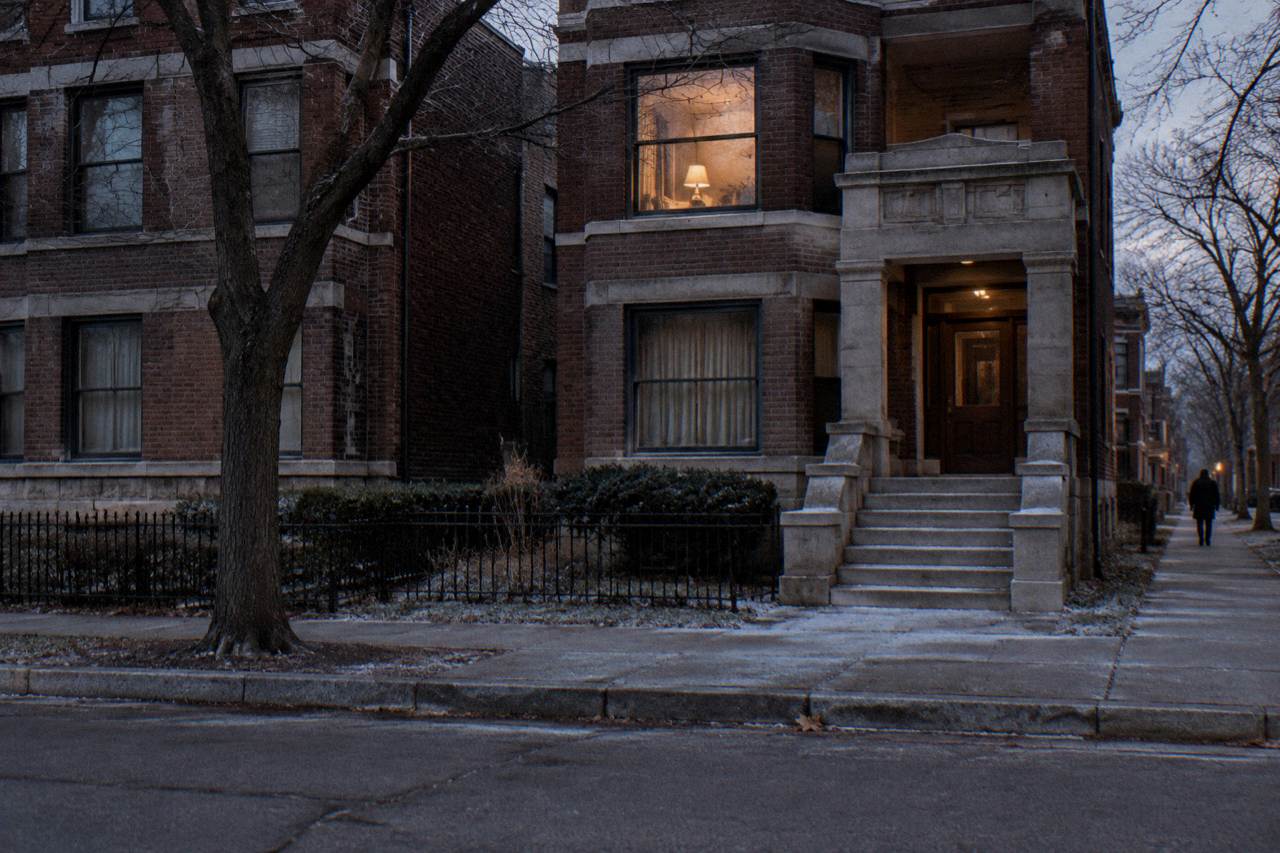
Al Capone lived in Chicago for only about a decade, but the city has never really let go of him. The most common question visitors ask after his name comes up is simple and practical: can you go see where he lived? The short version is that his house still stands, it is privately owned, and the right way to experience it is from the public sidewalk, ideally as one stop inside a broader gangster history outing rather than a destination on its own.
Can You Visit Al Capone's House In Chicago?
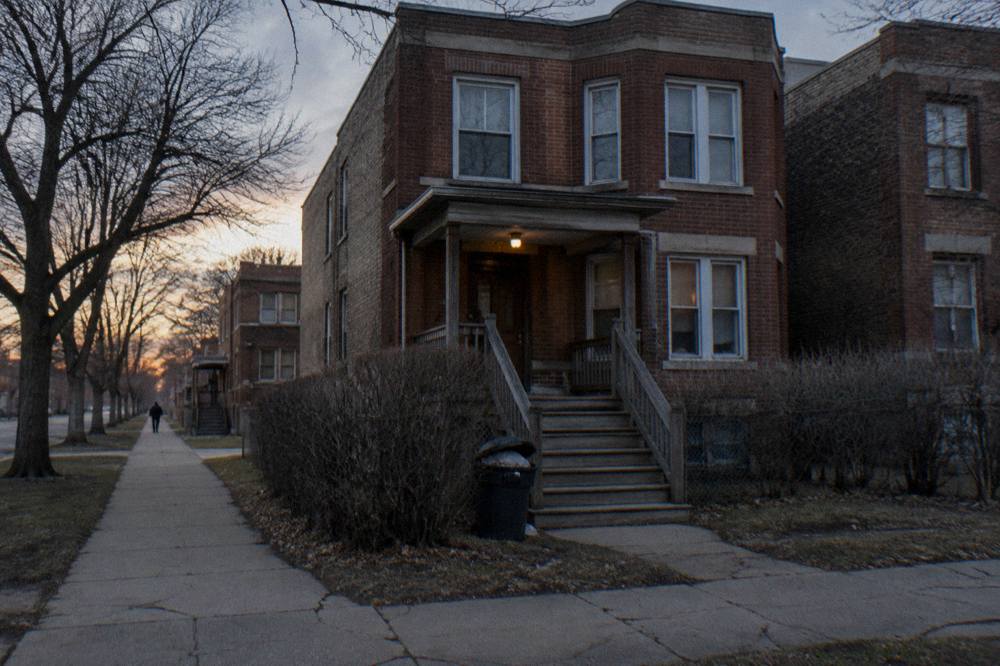
No, you cannot go inside Al Capone's Chicago house. The former residence at 7244 S. Prairie Ave. is a privately owned two-flat, not a museum, and it is not open to visitors. You can legally view the exterior from the public street, which still remains visible from the public street, and that street view is the entire self-guided experience.
The distinction matters more than it sounds. Chicago does not have a restored Capone home with velvet ropes and period furniture. What it has is a working residential building in the Prairie Avenue district, owned by people who did not ask to run an attraction. Walking up the steps, peering into windows or lingering in the yard would be trespassing, and no reputable source suggests otherwise.
What the house does offer is context. Prairie Avenue was once the city's most fashionable address, lined with mansion money, and Capone's presence there in the late 1920s put a gangster among the remnants of that era. Standing on the sidewalk, you see a modest two-flat that looks like a thousand others in Chicago. That dissonance, the most feared man in the city living in an unremarkable brick building, is the actual story the site tells.
For most visitors the better use of an evening is a guided tour that covers Capone's whole geography: the Loop where his organization worked, the hotels and theaters tied to his era, and the places where the violence played out. The Chicago Ghost Tours site lists several options that do exactly that, and this article breaks down which ones fit which kind of visitor.
Where Is The Capone House And How Do You Get There?
The house sits at 7244 S. Prairie Ave. on Chicago's South Side, in the Prairie Avenue district near Bronzeville, roughly seven miles south of the downtown Loop. It is a private two-flat whose exterior remains visible from the public street, per December 2025 sources from a Chicago crime tour operator. No formal marker, plaque or museum access exists at the address.
Getting there from downtown takes some planning. The distance is significant enough that a round trip eats a chunk of an afternoon, and the immediate surroundings are residential rather than tourist infrastructure. Visitors who want the street view typically pair it with something else on the South Side rather than making it a standalone trip.
The immediate neighborhood carries its own history. Prairie Avenue's Glessner House, the Romanesque landmark that survives from the street's mansion era, operates as a house museum, and it happens to be the meeting point for a ghost hunt this site covers. The contrast is stark: one address on the avenue is a carefully preserved Gilded Age home open for tours, and another is a private two-flat famous only for who once rented it.
A practical note on respect and legality: the building is someone's home. Take the photo from the sidewalk, keep moving, and do not block the walkway or knock on the door. The same rule applies across every private residence mentioned in gangster lore, including the other Capone-associated addresses that turn up in tour itineraries.
The City of Chicago and local historians have never mounted a Capone marker here, which mirrors the city's broader ambivalence about its gangster past. Even the St. Valentine's Day Massacre site at 2122 N. Clark St., where seven men were killed on 14 February 1929, carries no plaque; it is a lawn behind a wrought-iron fence beside senior housing. Chicago generally does not monumentalize this history, so touring it means learning to read quiet, unmarked places.
If the private-house disappointment stings, the tour built around Capone's story is the direct fix: the Haunted Chicago Capone walk runs 90 minutes through the Loop at $35 per person, rated 5.0 across 446 reviews, with the meeting point at State and Wacker. It pairs the gangster era with the ghost stories that grew around it, which is the combination most Capone visitors actually want.
| Capone-era site | Location | What you see today | Access |
|---|---|---|---|
| Capone residence | 7244 S. Prairie Ave. | Private two-flat, exterior from the street | Sidewalk viewing only |
| Green Mill Cocktail Lounge | 4802 N. Broadway St. | Operating bar with Prohibition-era interior | Open to the public |
| Biograph Theater | 2433 N. Lincoln Ave. | Working theater where Dillinger was shot, 22 July 1934 | Public venue |
| St. Valentine's Day Massacre site | 2122 N. Clark St. | Unmarked lawn beside senior housing | Street view only |
| Congress Plaza Hotel | 520 S. Michigan Ave. | Operating 1893 hotel, ghost-tour meeting spot | Public areas |
Is The Capone House Worth The Trip On Its Own?
For most visitors, no. The house is a private exterior with no marker, no exhibits and no interpretation, so the payoff is a two-minute photo unless you bring the story yourself. As one stop on a South Side itinerary, or as context before a Loop gangster tour, it works well. As a standalone destination it underdelivers for anyone who is not a devoted Capone researcher.
The honest cost-benefit runs like this. You spend an hour or more in transit to look at a building you cannot enter, in a district whose other mansions are mostly gone. Compare that with a two-hour guided walk where a trained storyteller delivers the whole era in one outing: the Loop's haunted hotels, the massacre story, the theater fire, the Eastland disaster site on the river, all woven together. The guided option simply delivers more history per hour.
That said, there is a real pleasure in the unmarked version of Chicago's past. The city does not sanitize or sensationalize these sites; it leaves them in place, working, ordinary. Visitors who understand that going in tend to enjoy the Prairie Avenue detour more than those expecting a museum. Manage expectations and the trip rewards them.
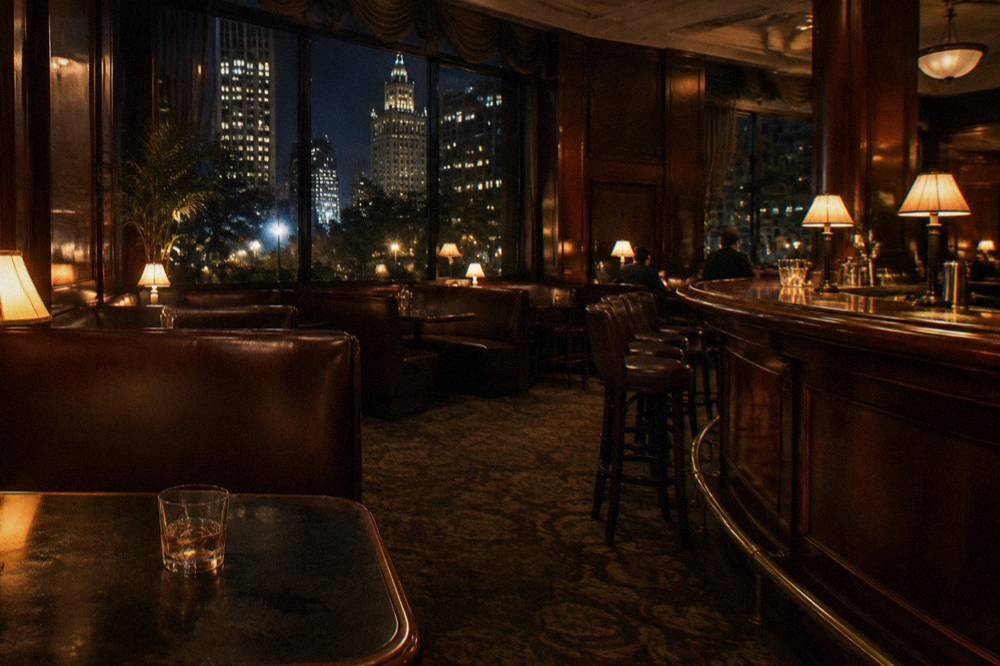
The Green Mill in Uptown is the counterexample that proves the point. It is a bar Capone actually frequented, with his reputed favorite booth, and it is fully open to anyone who buys a drink, operating evenings through the week per its listed hours. You can sit inside Prohibition history there, which the house on Prairie Avenue will never offer. An evening that pairs the Green Mill with a guided walk covers far more Capone ground than the house alone.
What Prairie Avenue Tours Stop Near The House?
The Prairie Avenue Ghost Hunt meets at Glessner House on the same historic avenue, runs about 2 hours, and costs $37.50 per person, with free cancellation listed. It has no reviews yet on its listing. That investigation-format tour is the closest bookable experience to Capone's old address, putting you on the street he lived on with a guide and ghost-hunting equipment.
This is the itinerary answer for visitors set on seeing the house. Book the ghost hunt, arrive early, and walk the few blocks of Prairie Avenue while the mansion district light is still good. You get the street view of 7244 S. Prairie Ave., the preserved Glessner House as a counterpoint, and a structured two-hour activity anchored to the same neighborhood, rather than a long transit ride for a photo.
The ghost hunt itself is an investigation format, which is a different animal from a storytelling walk. Participants use equipment, the guide frames the avenue's history around its reported legends, and the register is closer to a paranormal evening than a history lecture. The listing carries no reviews yet, so this site makes no rating claim for it; the appeal is the format and the address, not a proven track record.
For background on the avenue's haunted reputation, the Prairie Avenue ghost stories tradition on the South Side runs deep, and the Resurrection Mary legend is its most famous thread. The ghost hunt touches the same territory. Visitors who prefer their history without equipment can read up first and decide whether the investigation format suits them.
The other tour listed here that meets on Prairie Avenue territory is the Mob Alleys walk, covered below, which starts at the Congress Plaza Hotel rather than on the avenue itself. Between the two, the ghost hunt is the one that physically puts you in Capone's immediate neighborhood.
Which Chicago Tours Cover Capone's Story Best?
The Capone-focused walking tour (5.0 across 446 reviews, $35 per person, 90 minutes) leads the field on this topic, followed by the Gangsters and Ghosts walk (4.7 across 1,878 reviews, $31 per person, 2 hours) and the seated gangster bus options from $48 per person. All three formats list free cancellation. The right pick depends on walking tolerance and how much ground you want to cover.
The Haunted Chicago Capone walk is the specialist pick. It runs 90 minutes from State and Wacker in the Loop, blends the crime history with the hauntings that attached themselves to it, and holds a perfect 5.0 rating across 446 reviews, one of the strongest rating pools on this site. Reviewers report bringing children aged 6, 13 and 16, so it skews more family-tolerant than its subject matter might suggest. The listing also notes wheelchair accessibility.
The Gangsters and Ghosts walk is the volume leader: 4.7 across 1,878 reviews, $31 per person, 2 hours, with an itinerary that steps inside the Palmer House, the grand Loop hotel where guests have reported phantom footsteps and a woman in period dress. It runs daily year-round with departures at 11 a.m., 1 p.m., 4 p.m. and 8 p.m. per its seasonal schedule, making it the easiest to slot into any trip. Children aged 6 and under join free, and the listing states wheelchair and stroller accessibility.
For visitors who would rather sit than walk, the bus tier covers more geography. The Untouchable Mob minibus runs 1 hour 45 minutes from River North at $48 per person, 4.6 across 185 reviews, capped at just 10 passengers, which makes it feel close to a private ride. The Crime and Mob coach tour, 4.6 across 3,603 reviews from $49 per person, and the Night Crimes coach at $55, 4.8 across 521 reviews, are larger-format alternatives departing from Streeterville.
| Tour | Format | Price per person | Duration | Rating |
|---|---|---|---|---|
| Haunted Chicago Capone walk | Walking, Loop | $35 | 1 hour 30 minutes | 5.0 across 446 reviews |
| Gangsters and Ghosts walk | Walking, Loop riverfront | $31 | 2 hours | 4.7 across 1,878 reviews |
| Untouchable Mob minibus | Minibus, River North | $48 | 1 hour 45 minutes | 4.6 across 185 reviews |
| Crime and Mob coach tour | Coach, Streeterville | $49 | 1.5 to 2 hours | 4.6 across 3,603 reviews |
| Night Crimes coach tour | Coach, Streeterville | $55 | 2 to 2.5 hours | 4.8 across 521 reviews |
The Mob Alleys walk deserves its own mention for the South Side angle. It starts in front of the Congress Plaza Hotel, the former Auditorium Annex that is frequently claimed to be one of the most haunted buildings in Chicago, a reputation rather than a verified fact, and works the Prairie Avenue and South Loop territory on foot for $34 per person, 4.7 across 469 reviews. It is the walk that keeps you closest to Capone's actual geography.
A deeper comparison of all the gangster formats, including which stops each one actually claims, lives in the Chicago gangster tours compared guide. The short guidance: walkers should pick the Capone walk or the Gangsters and Ghosts walk by rating pool and schedule, and non-walkers should choose between the minibus intimacy and the coach tour's breadth.
What Else Can You See Of Capone's Chicago?
Beyond the house, Capone's Chicago survives in working venues: the Green Mill bar in Uptown with its Prohibition interior and his reputed favorite booth, the Congress Plaza Hotel bar where the ghost bus tour meets, and Holy Name Cathedral, whose bronze doors still show bullet marks from the 1926 murder of Hymie Weiss. All are publicly accessible or viewable. If the Green Mill caught your interest, our guide to Al Capone's favorite Chicago bar sorts out which stories are documented and which are pure legend.
The Green Mill is the crown jewel for Capone hunters because it is the one place where you can occupy his world rather than look at it. The bar operates extended hours into the weekend, per its current listing, and its Prohibition-era ties are part of the furniture. Order a drink, find the booth, and you have done something the Prairie Avenue house will never allow.
The Congress Plaza Hotel serves a similar function for tour logistics. The original ghost bus tour meets inside the hotel's bar, which means your evening starts with a drink in a building whose haunted reputation, including guest reports of a shadow woman in room 441, has made it a fixture of Chicago lore. The hotel opened just before the 1893 World's Fair as the Auditorium Annex, and its public spaces are walkable even without a room key.
Holy Name Cathedral on State Street adds the violence. Bullet holes from the 1926 hit on Hymie Weiss remain visible on its bronze doors, and the cathedral is an active parish open to the public. It is a reminder that the gangster war was not theater; it left metal in the front door of the city's mother church. The Massacre site two miles north, unmarked and grassed over, closes that same arc quietly.
The Biograph Theater belongs to the era's ending rather than Capone himself. John Dillinger was shot there by federal agents on 22 July 1934, and the building at 2433 N. Lincoln Ave. still operates as a working theater. For visitors assembling a self-guided gangster day, the Green Mill and the Biograph pair naturally, both on the North Side and both genuinely enterable.
One place that does not reward the trip is the former Murder Castle site in Englewood. The H.H. Holmes building is long gone; the lot at 611 W. 63rd St. now holds a post office built in the 1930s, with no historical marker. That story is covered in full elsewhere on this site, and the short version for Capone purposes is that the two legends share a city but not a visitable site.
When Should You Plan A Capone-Themed Chicago Trip?
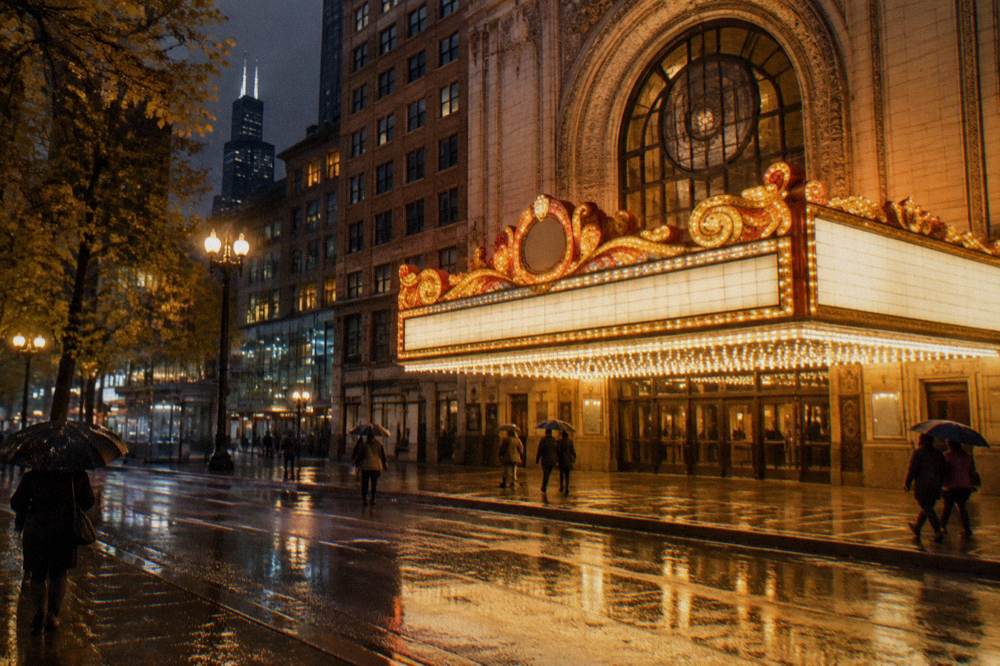
Evening departures dominate Chicago's ghost and gangster tours, with the Gangsters and Ghosts walk running an 8 p.m. slot daily year-round, so fall and early winter, when darkness arrives before departure time, give the strongest atmosphere. Halloween week 2026 peaks the calendar: Halloween falls Saturday 31 October, with daylight saving time ending the next day.
Seasonality shapes this genre more than most. A ghost walk at 8 p.m. in June happens in full daylight; the same walk in late October happens in the dark, which is what the storytelling was built for. October is therefore the high season, and the seasonal events stack up: haunted river cruises run Friday through Sunday through October 31, the Haunted Tours of Historic Prairie Avenue run on October 30 and 31, and special one-night ghost events pop up across the city.
The Prairie Avenue edition matters for this article specifically. A haunted walking tour on the very avenue where Capone lived, on the two nights before Halloween, is about as close as the calendar gets to a themed visit of his neighborhood. The regular bookable tours run year-round, so visitors outside October are not shut out; the 8 p.m. Gangsters and Ghosts departure and the evening ghost bus run through the winter calendar.
| Season | Daylight at departure | Tour availability | Notes |
|---|---|---|---|
| June to August | Late sunset, 8 p.m. walks start in light | Full schedules | Book ahead for weekends |
| September to October | Dark by early evening | Full schedules plus seasonal events | Peak season, sells out |
| November to February | Dark well before 6 p.m. | Year-round tours continue, fewer specials | Best darkness, coldest walks |
| March to May | Dark by departure into April | Schedules rebuild after winter | Mild evenings, thinner crowds |
Weather planning for the walks matters in the cold months; the what to wear on an evening ghost walk post covers the layering question in detail. Advance booking is its own question, and the general pattern among these tours is that small-group walks, like the 12-person pub walk and the 10-passenger minibus, fill first.
For readers deciding between the formats one last time, these three picks bracket the range: the specialist Capone walk, the high-volume Gangsters and Ghosts walk, and the seated evening ghost bus.
Common Questions About Al Capone's House In Chicago
Can You Visit Al Capone's House In Chicago?
No. The house at 7244 S. Prairie Ave. is a privately owned two-flat that is not open to visitors. You can view the exterior from the public street, which is the entire access, and there is no marker or museum at the address.
Can You Go Inside Al Capone's House?
No. It is a private residence, so entering the property or the building would be trespassing. No tour listed on this site enters the house either; the ones that cover Capone operate in the Loop, the South Loop and River North instead.
Which Tour Is Closest To Capone's House?
The Prairie Avenue Ghost Hunt meets at Glessner House on the same historic avenue, about 2 hours long at $37.50 per person with free cancellation listed. It has no reviews yet, so no rating claim is made here, but it puts you in Capone's immediate neighborhood with a guide.
Where Did Capone Hang Out That You Can Still Visit?
The Green Mill Cocktail Lounge at 4802 N. Broadway St. is the standout: an operating bar with Prohibition-era ties, including his reputed favorite booth. The Congress Plaza Hotel's public areas and bar, where the ghost bus meets, are also accessible.
Is There A Capone Museum In Chicago?
No dedicated Capone museum exists in Chicago. His era is covered through guided tours and surviving sites: the Biograph Theater, Holy Name Cathedral's bullet-marked doors, the unmarked Massacre site, and venues like the Green Mill.